Welcome to POLS 2580

Introductions

Updated Dec 4, 2025

Overview

  • Goals and Expectations
  • Course Structure
  • Course Policies
  • A Few Fundamental Truths
  • Software setup

Goals and Expectations

What you will learn

You will learn

  • how to think like a social scientist
  • how to use data to make descriptive, predictive, and causal claims
  • how to quantify uncertainty about these claims
  • how to present, interpret, and critique these claims

Reasons to take this class

  1. You want to change the world

Why is this study important?

  • Findings provide evidence of benefits of social spending/universal basic income

Why should we believe these results

  • Because it’s in the Times?

  • Because the authors are professors at good schools?

  • Because of how the study was done!

    • Random assignment provides a reasoned basis for inference
    • Creates informative counter-factual comparisons
    • Pre-registered hypotheses ensure that we’re not cherry-picking results

Why might we be skeptical of these results?
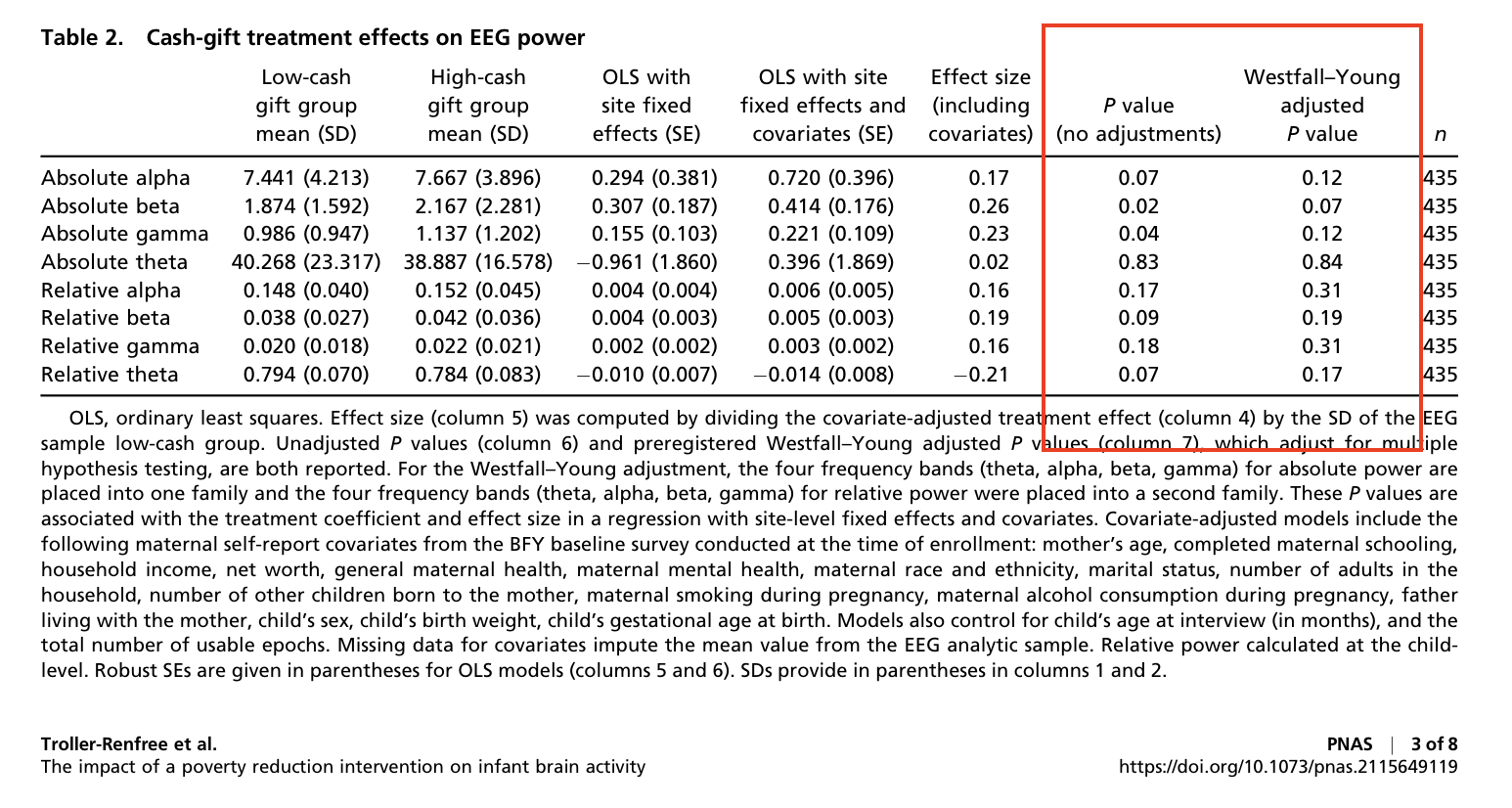
  • How strong are the effects?
    • Is a fifth of a standard deviation a lot?
  • Why do we care about brain waves?
  • What’s the mechanism?
  • How confident are we that these results couldn’t have happened just by chance

Why might we be skeptical of these results?

Why might we be skeptical of these results?

Source: Andrew Gelman

Why might we be skeptical of these results?

Source: Andrew Gelman

Reasons to take this class

  • You want to change the world

  • Data, design, and analysis are incredibly powerful tools

  • You want to understand their strengths and limits

  • You want to be a better consumer of data and knowledge

  • You want to be a better producer of data and knowledge

  • You want to get a job

  • You have to

  • You’re just in it for the memes

Great expectations

I expect that you will come to class ready to engage with:

  • social science

  • data

  • programming

  • math

Requirements

I assume that you will

  1. Do the readings
  1. Bring your computers 1
  1. Work through classwork
  1. Ask questions

Course structure

Class

  • Thursday:

  • Lecture/Demonstration (~90-120)

  • Lab/Exploration (~30-60)

  • Friday-Wednesday:

    • Work on labs
    • Go to section
    • Do the assigned readings
    • Review the comments to last weeks labs

Class websites

Software and computing

  • Statistics done using R
    • Open source (free) statistical language
  • Through R Studio
    • An integrated development environment for R
  • Results written up with Quarto using Markdown
    • Language for combing R code with html Markdown

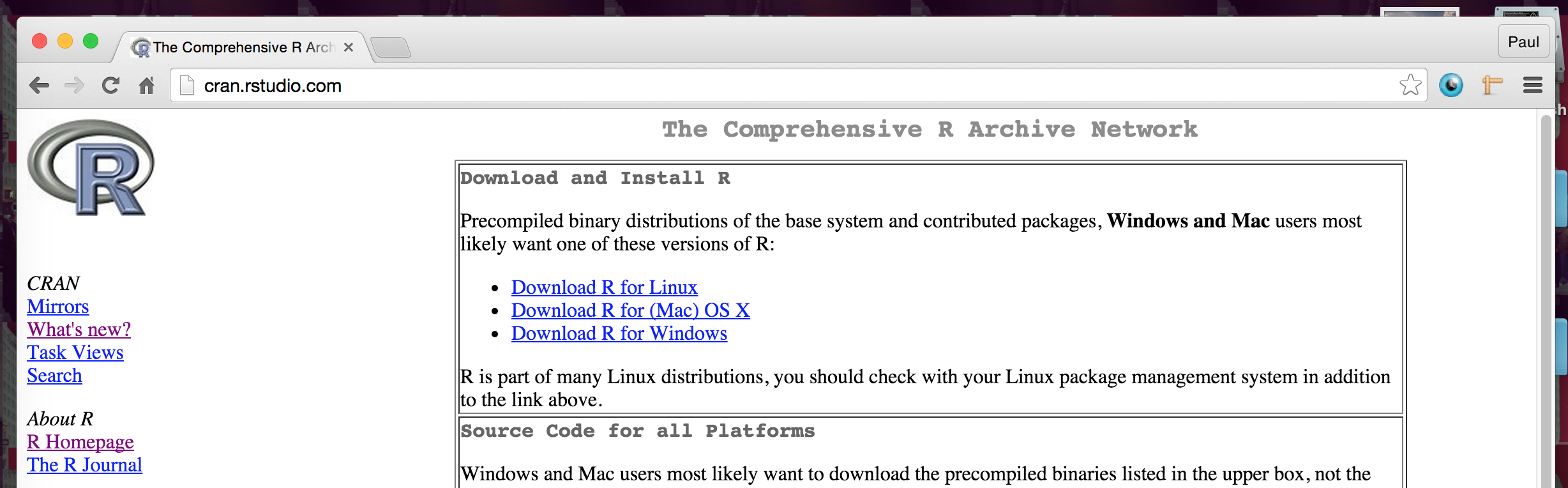
R
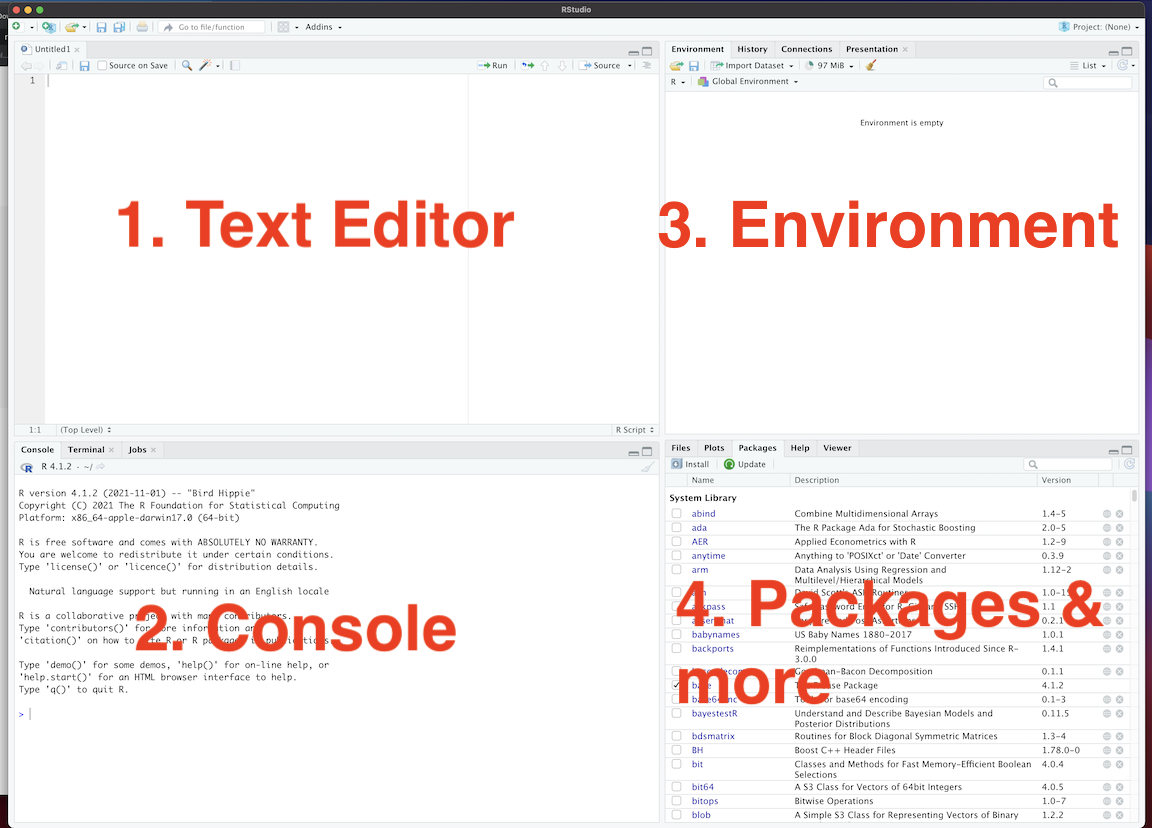
R Studio
Quarto
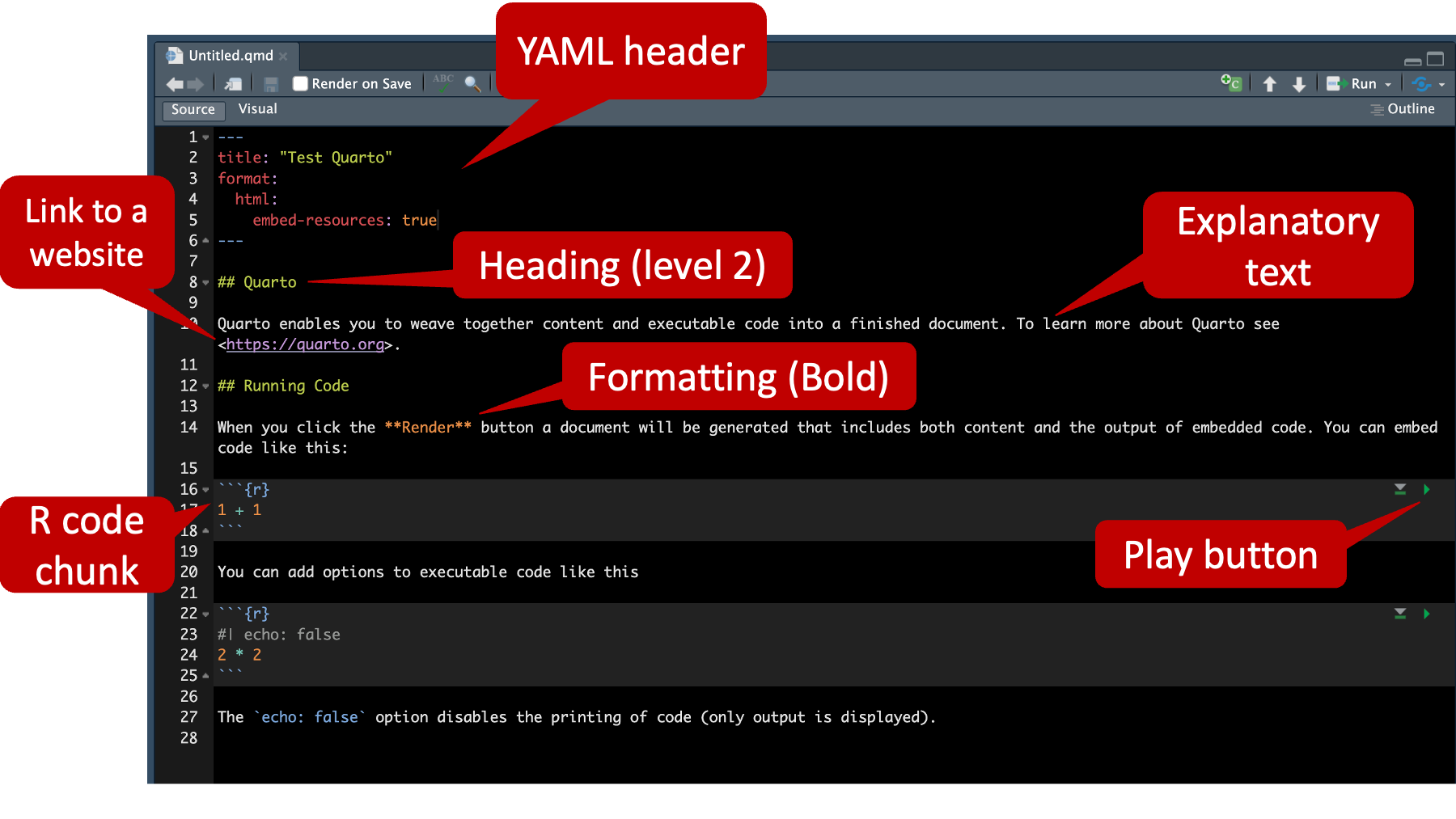
  • Project options in YAML header
  • Code in triple backtick chunks:
    • Chunk options set with “#|” (hashpipe)
```{r}
#| label: simulate_data
x <- rnorm(100)
y <- 2*x + rnorm(100)
```
  • Write up in Markdown

  • Output rendered as an html file

Getting set up for the course:

Here’s a link to a guide to get you setup for the course.

We’ll take a crack at it shortly

Email me with any issues (there are always issues), and drop by my office hours on Thursday so we can trouble shoot.

Textbook

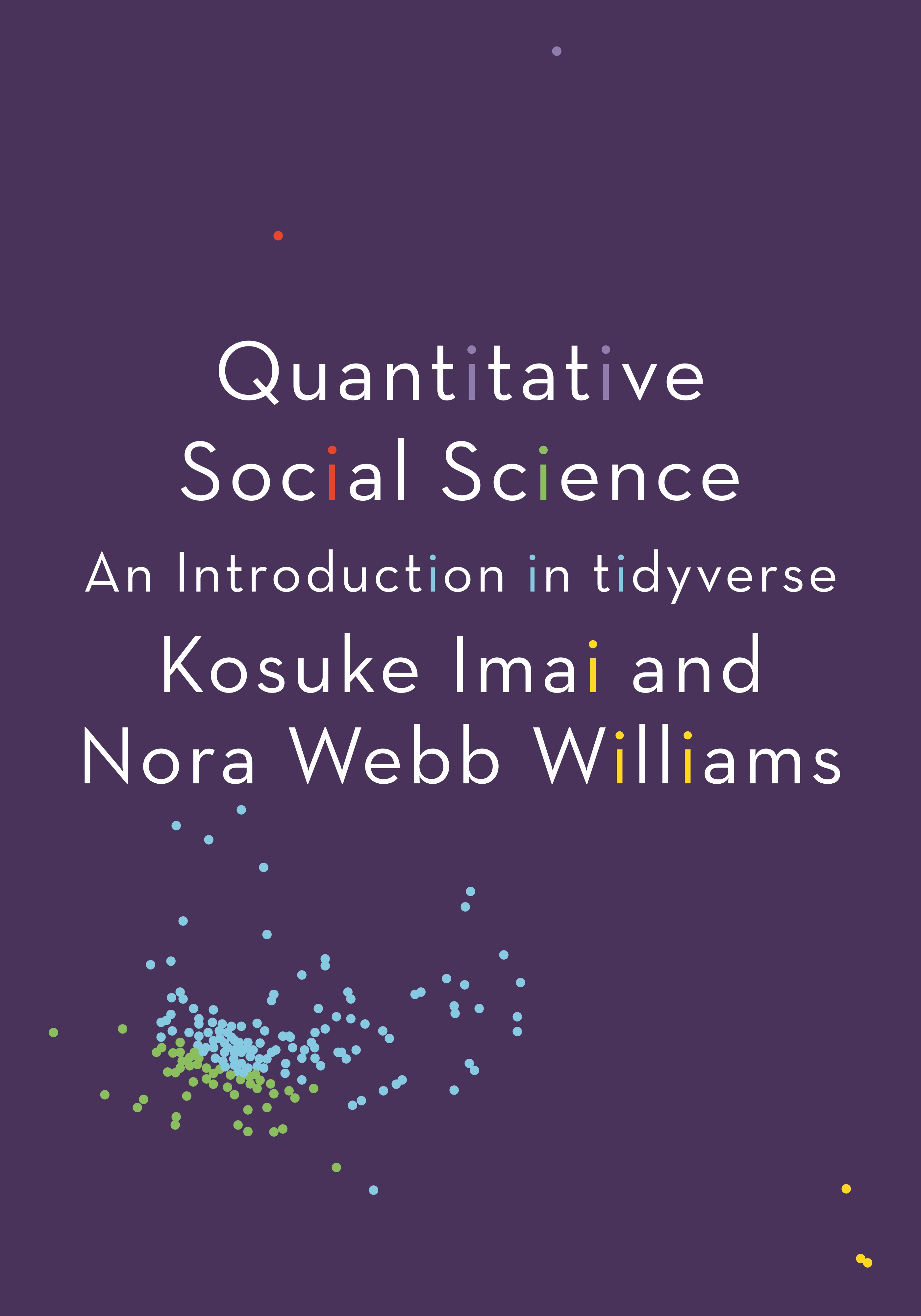
https://press.princeton.edu/books/paperback/9780691222288/quantitative-social-science

How to Read Imai

  • Active reading

  • Copy and run the code in the text. To do so, do the following:

if (!require("devtools")){
  install.packages("devtools")
  }
library("devtools")
install_github("kosukeimai/qss-package",  
               build_vignettes  =  TRUE)

How to Read Imai

Once you’ve rune the following

install.packages("devtools")
install.packages("remotes")
remotes::install_github("kosukeimai/qss-package", build_vignettes = TRUE)

Anywhere the text loads data:

afghan <- read_csv("afgahn.csv")

You can do

library("qss")
data("afghan")
summary(afghan$age)
   Min. 1st Qu.  Median    Mean 3rd Qu.    Max. 
  15.00   22.00   30.00   32.39   40.00   80.00 

Additional Readings

Assignments

Assignments

You have three types of assignments in this course

  • Labs

  • Assignments building toward your final project

  • Final Project

Labs

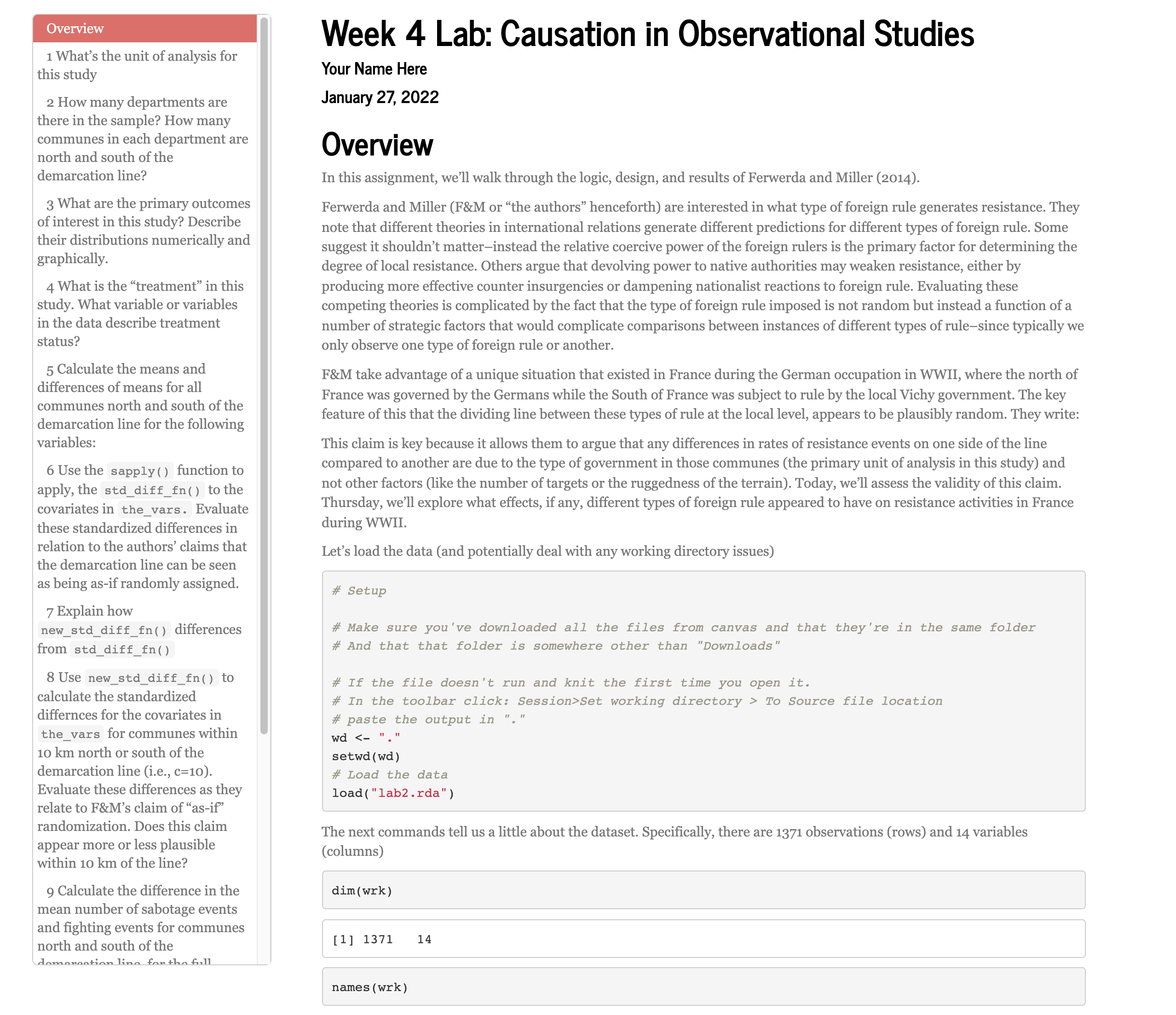
  • Each week we’ll begin labs in class which you will submit by the following Wednesday.

  • The labs are designed to reinforce and extend concepts from lecture using real world data.

  • You’re welcome (and expected) to work in groups, but must submit labs individually (for now)

Labs

Labs

Labs

  • Each week:
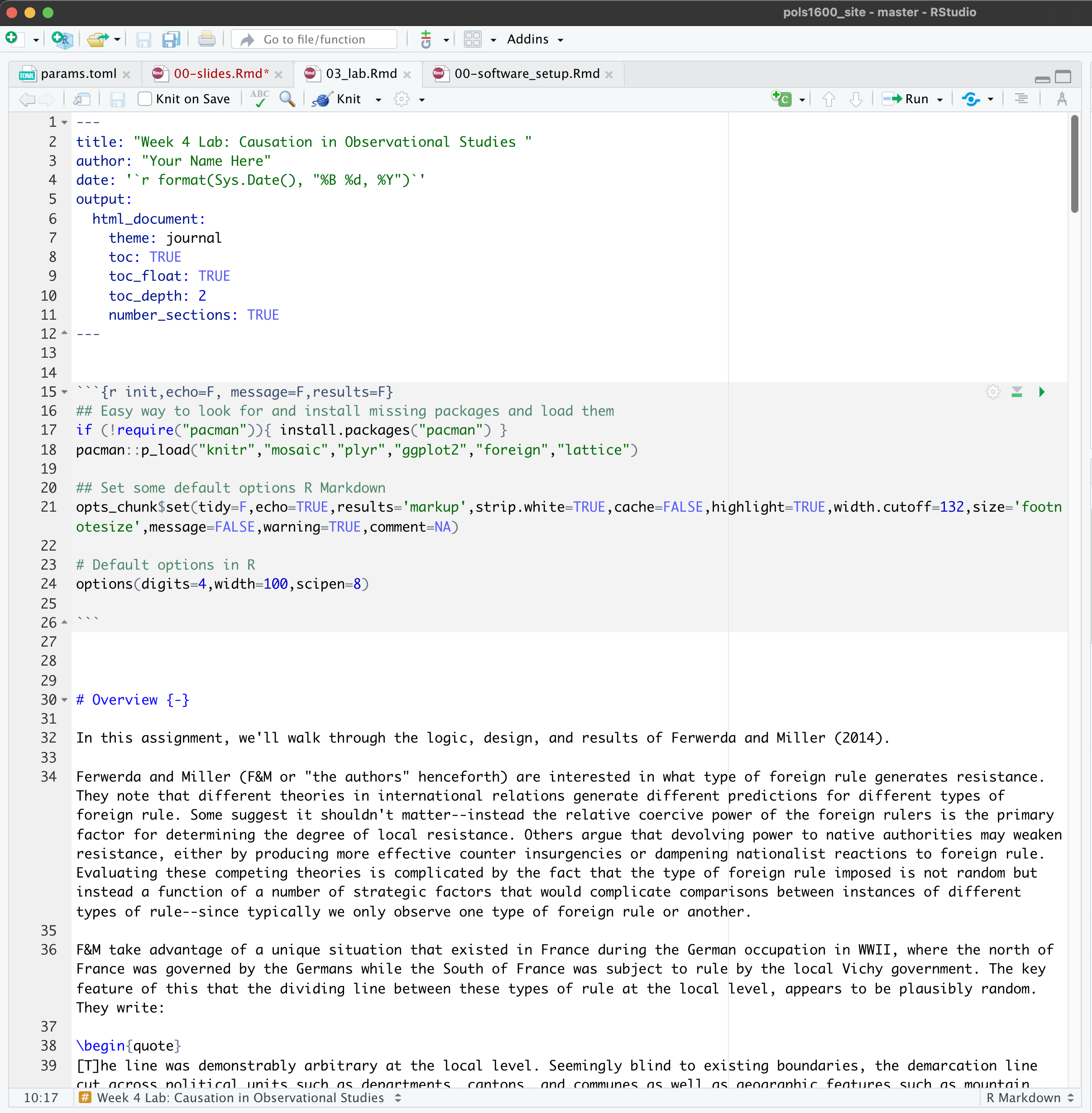
    • Go to the week on https://pols2580.paultesta.org/, download the lab .Rmd file
    • Open R Studio
    • Knit the .qmd file to get ready to work
    • Begin lab in class
    • Ask questions during section
    • Complete the lab and upload html file to Canvas by the next Wednesday
  • One question randomly graded
    • 100% if correct
    • 85% if incorrect, but you tried
    • 0% if you did not try/absent for the lab
  • Comments/Answers posted on Wednesday after labs are submitted
    • Read these comments before coming to class on Thursday

Final project

Can be:

  • on any topic you like

  • a replication and extension of published work

  • your own analysis of existing data

Final project

Due dates:

  • Week 5: Drafting Research Questions
    • Due Thursday, October 9, 2025 at 4:00 pm on Canvas
  • Week 7: Developing your proposal
    • Due Thursday, October 23, 2025 at 4:00 pm on Canvas
  • Week 10: Initial analyses
    • Due Thursday, November 13, 2025 at 4:00 pm on Canvas
  • Week 13: Final Paper Draft
    • Due Thursday, November 20, 2025 at 11:59 pm on Canvas
  • Week 14: Slides and/or poster presentation of final paper
    • Due Sunday, December 7, 2024 at 11:59 pm on Canvas
  • Week 15: Final Papers DUE at 11:59 pm Sunday, December 14, 2025 on Canvas

Portals of Discovery

Errors

  • ish happens
  • Seeing red is a good thing
  • We learn by making errors

Grading and Other Policies

Grading

Grading

Grading

Grading

Grading

  • 5% Attendance
  • 10% Class involvement and participation
  • 10% Tutorials
  • 30% Labs
  • 20% Assignments for final paper
  • 20% Final paper

Course policies

  • Academic honesty
  • Community standards
  • Incomplete/late work

AI

AI

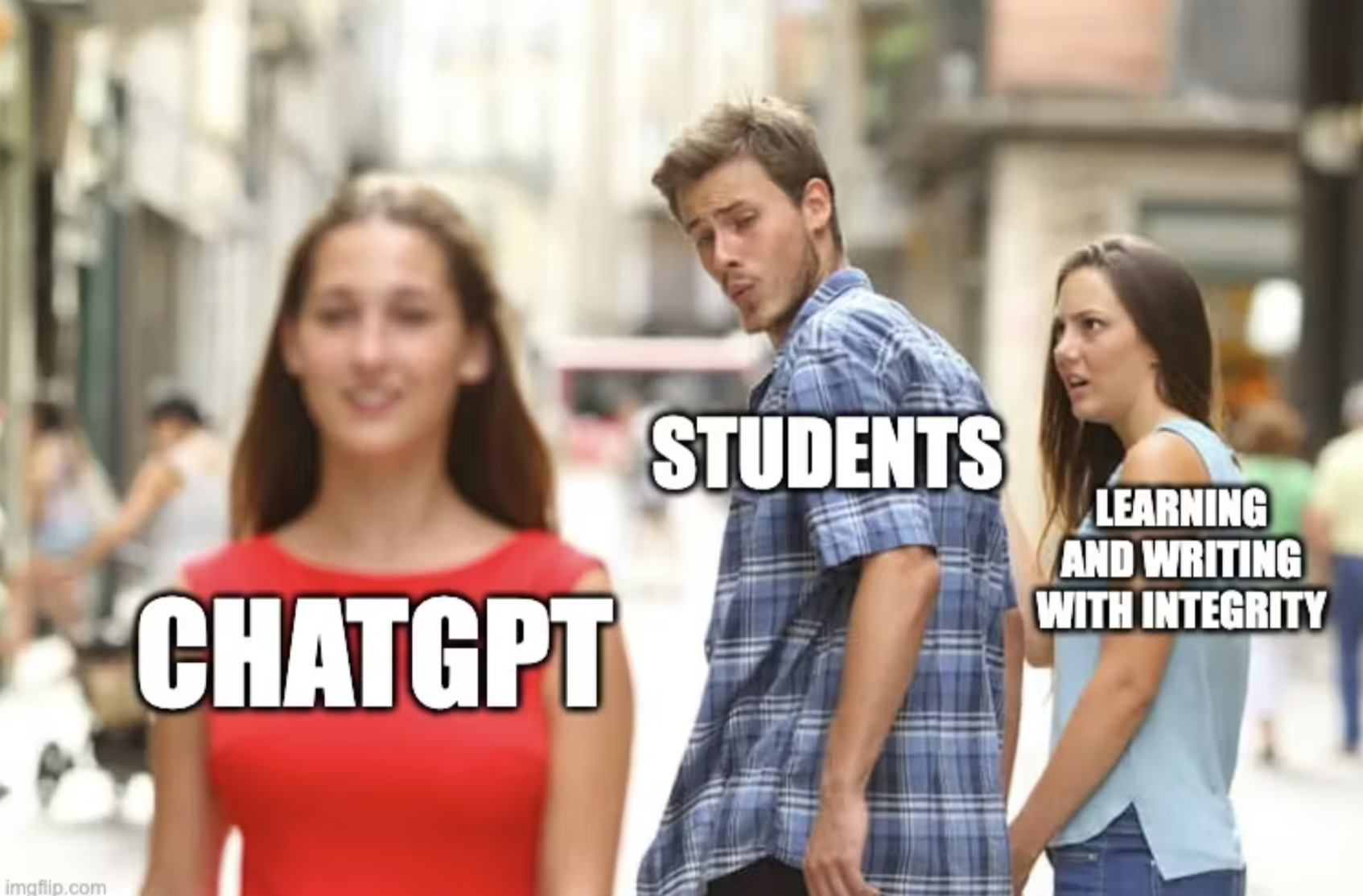
  • Generative AI/LLMs like ChatGPT, Gemini, Glaude, Co-pilot are incredibly powerful, increasing prevalent tools

  • For coding in particular, they can be a godsend, but…

  • To use them properly and effectively, you need to know how to actually code

AI in this course

  • You can use AI to

    • Troubleshoot and problem solve your code
    • You need to be writing code first
  • You cannot use AI to:

    • To do the labs or write your papers
    • It’s not that hard to see when you’ve done this
    • The consequences

Introductions

Two Fundamental Truths

Testa’s first fundamental truth

Testa’s first fundamental truth

Why would I profess my utter ignorance on the first day of class?

Four possible reasons…

1. Expectation Management

2. Pedagogical Tomfoolery

3. Positionality

4. Epistemology

Testa’s second fundamental truth
Testa’s second fundamental truth

Two kinds of people in this world

What is it that we say we do here

What does quantitative research do?

  • Descriptions

Descriptions

What does quantitative research do?

  • Descriptions
  • Explanations

Explanations

Explanations

What does quantitative research do?

  • Descriptions
  • Explanations
  • Predictions and Uncertainty

Predictions and Uncertainty
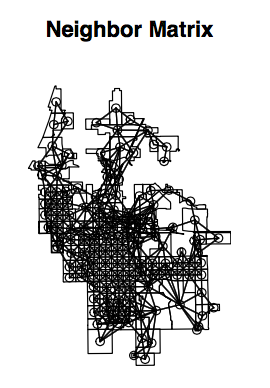
Predictions and Uncertainty
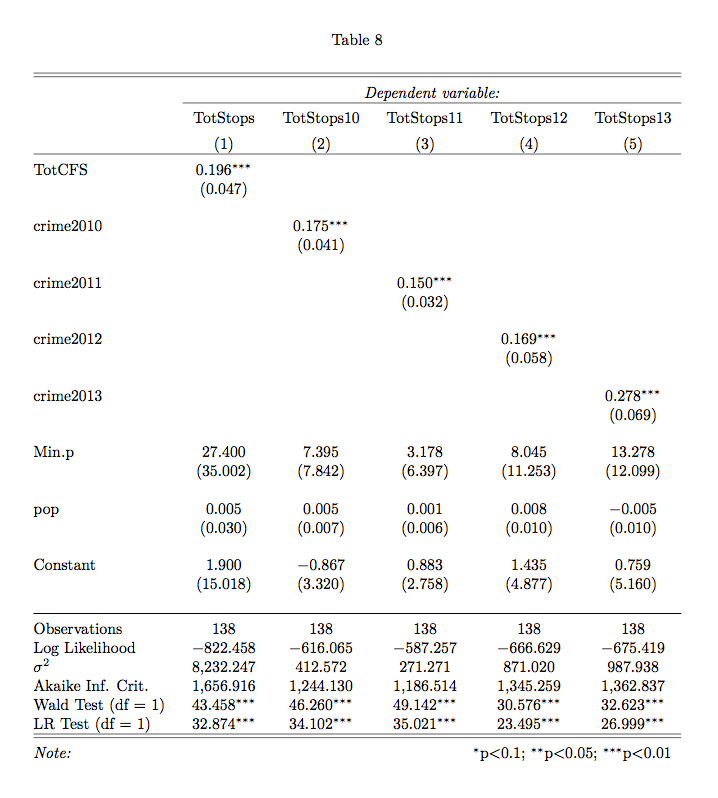
Predictions and Uncertainty
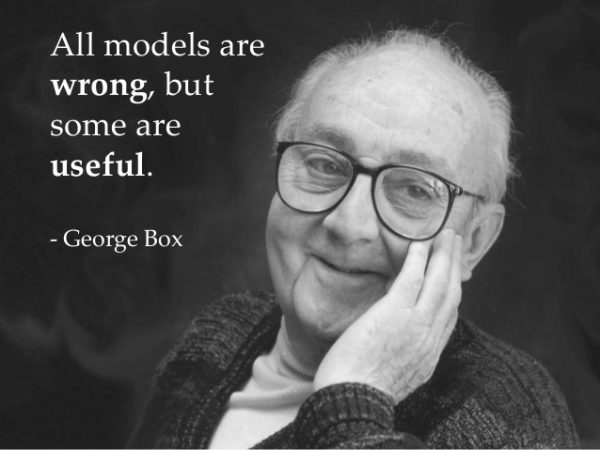
What does quantitative research do?

  • Descriptions
  • Explanations
  • Predictions and Uncertainty

Two kinds of people in this world
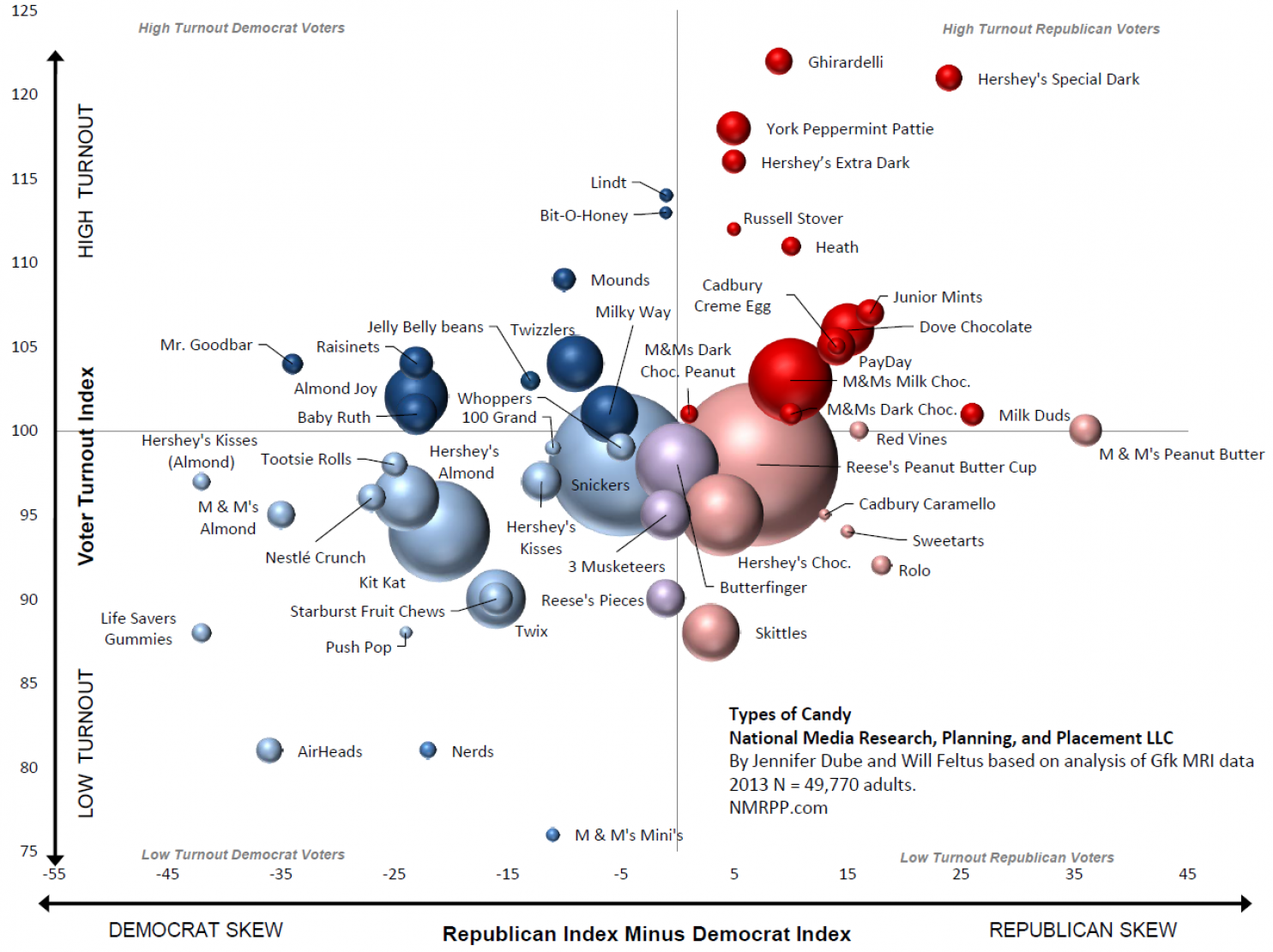
Introductions
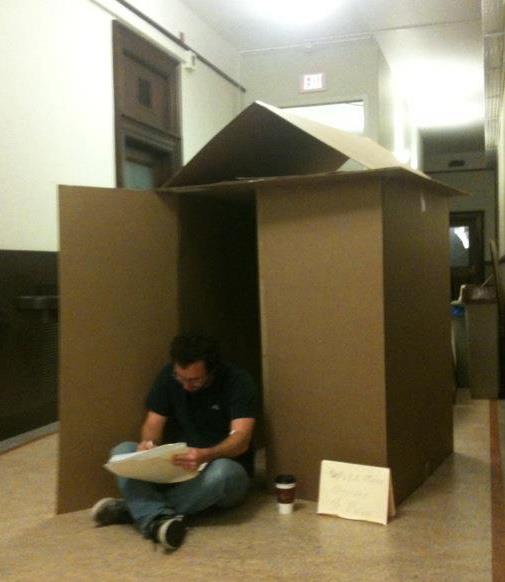
My research

  • I study American Poltical Behavior with learn about politics through personal experiences, social interactions, and mediated communication.

  • How can we use methodological tools to better answer these questions?

But enough about me

The real stars of POLS 2580

Olgahan Cat

Visiting Assistant Professor

Department of Political Science

Brown University <olgahan_cat@brown.edu>

Aidong (Eden) Li

Teaching Assistant

Department of Political Science

Brown University <aidong_li@brown.edu>

Class survey

Please click here to take a brief survey that will help me structure the class going forward.

Next Week:

Software Setup

Software Setup

Let’s download and Install R and R studio